Understanding Pet Product Contract Packaging
What is Pet Product Contract Packaging?
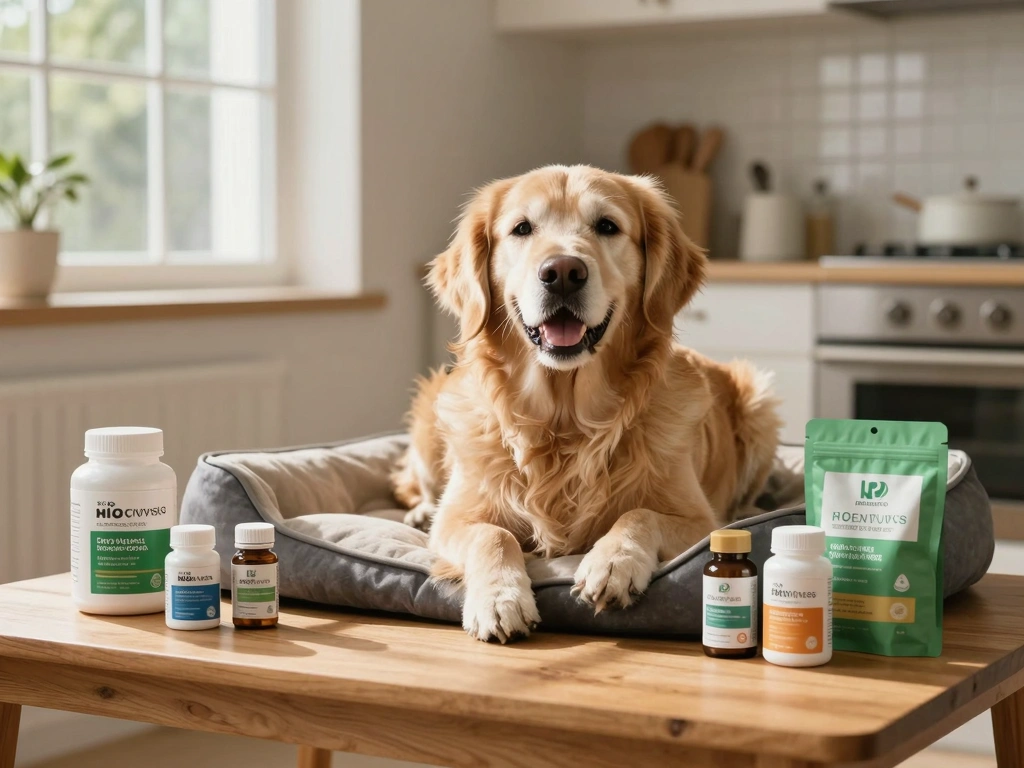
Pet product contract packaging is a specialized service that involves outsourcing the packaging of pet-related products to a third-party company. This service encompasses various processes such as packing, sealing, labeling, and quality control, allowing pet product manufacturers to focus on their core operations while ensuring their products are delivered in attractive and safe packaging. Utilizing pet product contract packaging can streamline production and reduce costs, catering to the growing consumer demand for diverse and high-quality products in the pet industry.
Benefits of Contract Packaging for Pet Products
There are numerous advantages associated with adopting contract packaging for pet products. These benefits range from increased efficiency to improved brand reputation:
- Cost Reduction: By outsourcing packaging, companies can save on labor, equipment, and operational costs, enabling them to allocate resources more effectively.
- Scale Flexibility: Contract packagers offer scalable solutions that can adapt according to fluctuating market demands, ensuring that manufacturers can respond promptly to changes in consumer preferences.
- Expertise and Quality: Leveraging the technical expertise of contract packagers often leads to enhanced packaging quality, safety, and compliance with industry standards.
- Faster Time-to-Market: Streamlined processes enable quicker turnaround times from production to retail, allowing brands to capitalize on market trends swiftly.
- Focus on Core Competencies: By outsourcing packaging, companies can devote more time and energy to product development, marketing, and sales efforts.
Types of Packaging Options Available
Pet product contract packaging encompasses various types of packaging methods and materials suited for different product categories:
- Flexible Packaging: This includes pouches, sachets, and wraps, which are lightweight, economical, and easily customizable.
- Rigid Packaging: Containers, jars, and boxes that provide more substantial protection for products such as toys and other durable goods.
- Blister Packaging: Often used for pet treats and medications, this type allows for secure visibility and ease of use for consumers.
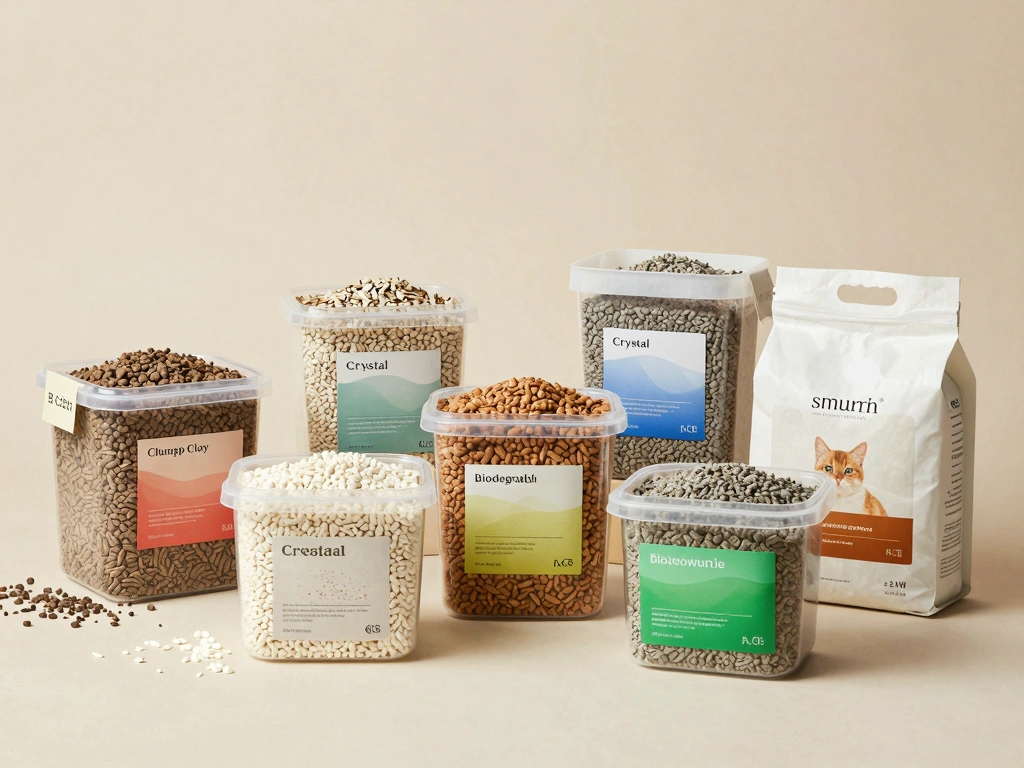
- Eco-Friendly Packaging: As sustainability concerns rise, many brands are opting for biodegradable, compostable, or recyclable packaging solutions.
Choosing the Right Packaging Materials
Common Materials Used in Pet Product Packaging
The choice of packaging material impacts product preservation, user experience, and brand perception. Among the most commonly used materials in pet product packaging are:
- Plastic: Versatile and common, plastic packaging comes in various forms like PET, HDPE, and LDPE. Its durability makes it ideal for both wet and dry goods.
- Paper and Cardboard: Eco-friendly options that are often used for outer packaging, providing a good balance of strength and lightweight characteristics.
- Glass: Although heavier, glass provides excellent product protection and is often used for premium pet foods or treats.
- Foil: Often utilized for moisture-sensitive products, foil packaging ensures freshness and extends shelf life significantly.
Eco-Friendly Packaging Solutions
The demand for eco-friendly packaging in the pet product sector is on the rise. Brands are increasingly seeking biodegradable, compostable, and recyclable materials to minimize their environmental impact. Some notable eco-friendly options include:
- Bamboo Packaging: Naturally biodegradable and sustainable, bamboo can be used in various forms, including boxes and trays.
- Recycled Materials: Incorporating recycled content into plastic or paper packaging helps reduce waste and carbon emissions while maintaining product integrity.
- Compostable Films: These biodegradable films allow for a longer shelf life while ensuring that the packaging can break down in industrial composting settings.
- Minimalist Packaging: Reducing excess packaging not only cuts costs but also appeals to environmentally-conscious consumers.
Importance of Material Quality in Packaging
Choosing high-quality materials for pet product packaging is paramount for ensuring product safety and maintaining brand integrity. Quality packaging protects products from contamination and environmental factors such as moisture, light, and air, which can all deteriorate the product's quality over time. Additionally, premium packaging can contribute to a brand's value and customer perception, often leading to enhanced customer loyalty and satisfaction.
Designing Your Packaging Effectively
Key Design Principles for Pet Product Packaging
Effective packaging design for pet products transcends mere aesthetics. It must effectively communicate functionality, brand identity, and regulatory information to both retailers and consumers. Important design principles include:
- Simplicity: A clean and straightforward design allows consumers to quickly comprehend the product's benefits, usage, and ingredients.
- Visual Hierarchy: Organizing design elements (brand logo, product name, features) in a way that guides the consumer's eye helps convey the most crucial information first.
- Color Psychology: Colors evoke emotions and perceptions; using the right color palette can enhance brand recognition and consumer appeal.
- Typography: Clear and legible text fosters easy reading while providing essential product information, thus enhancing usability.
Branding Considerations in Packaging Design
Branding is integral to packaging design, impacting the consumer's perception and choice. Packaging must consistently represent the brand's essence while appealing to the target audience. Key aspects include:
- Logo and Visual Identity: Consistent use of logos and colors strengthens brand recognition and builds trust with consumers.
- Storytelling: Conveying a brand narrative through packaging elements helps create emotional connections with consumers, encouraging brand loyalty.
- Unique Selling Proposition (USP): Highlighting unique benefits or features directly on the packaging attracts consumer attention and differentiates the product from competitors.
- Compliance: Ensuring that packaging adheres to labeling regulations is crucial for fostering trust and reducing legal risks.
Consumer Preferences and Trends
Staying attuned to evolving consumer preferences and industry trends is essential for successful packaging design. Current trends impacting pet product packaging include:
- Health and Wellness: Consumers are increasingly seeking natural, organic, or health-focused pet products. Packaging should reflect this trend by emphasizing quality ingredients and health benefits.
- Convenience Features: Packaging designed with ease of use in mind, such as resealable pouches or easy-to-open containers, enhances user experience and satisfaction.
- Sustainability: As eco-consciousness grows, brands are adopting sustainable practices to appeal to environmentally-aware consumers.
- Customization: Personalized packaging options are gaining traction, allowing brands to create a unique consumer experience that fosters loyalty.
Working with Contract Packaging Companies
How to Select the Right Packaging Partner
Choosing the right contract packaging partner is a critical decision that significantly influences a product’s market success. Here are crucial factors to consider when selecting a packaging partner:
- Experience and Expertise: Evaluate the potential partner's background in handling products similar to yours in terms of complexity, size, and market needs.
- Technology and Equipment: Ensure they have up-to-date equipment that can handle your specific packaging requirements efficiently and safely.
- Reputation and References: Research their business history and client testimonials to gauge their reliability and performance standards.
- Flexibility and Scalability: The ability to adapt to changes in your production needs is vital, especially in a dynamic market.
Questions to Ask Your Contract Packager
Before finalizing a contract packaging deal, it's essential to have thorough discussions with potential partners. Some critical questions to pose include:
- What are your lead times for production and delivery?
- Can you provide examples of past projects similar to mine?
- How do you ensure quality control throughout the packaging process?
- What packaging materials do you recommend and why?
- How do you handle issues with damaged or defective packaging?
Evaluating the Success of Your Packaging Partner
Once you've partnered with a contract packaging company, ongoing evaluation is crucial for success. Metrics to consider include:
- Time-to-Market: Monitor if products are packaged and delivered within the agreed timelines.
- Product Quality: Regularly assess the quality of packaging for any defects or inconsistencies.
- Cost Efficiency: Track whether the costs align with budget expectations while maintaining quality standards.
- Feedback from Customers: Collect and analyze consumer feedback regarding packaging usability and appeal.
Maximizing Shelf Appeal and Performance
Strategies for Eye-Catching Packaging
To stand out on retail shelves, packaging must not only be functional but also visually appealing. Effective strategies include:
- Bold Graphics and Colors: Leverage eye-catching designs and color contrasts to draw attention from passersby.
- Innovative Shapes: Unusual or unique packaging shapes can create visual interest and encourage consumer curiosity.
- Interactive Elements: Incorporating QR codes or augmented reality features offers consumers an engaging experience, enhancing interaction with the product.
Testing Your Packaging for Market Readiness
Before launching a new pet product, thorough testing of the packaging is essential. Consider conducting the following evaluations:
- Focus Groups: Gather insights from potential consumers regarding their perceptions and preferences about the packaging.
- A/B Testing: Experiment with different packaging designs in the market to identify which performs better regarding sales and consumer engagement.
- Durability Tests: Assess how well the packaging protects the product during transportation and shelf life.
Monitoring Packaging Performance Metrics
Post-launch analysis is critical for ongoing success. Key performance metrics to track include:
- Sales Trends: Monitor how packaging changes correlate with sales data to determine effectiveness.
- Customer Reviews: Regularly analyze online reviews and feedback regarding packaging and product quality.
- Return Rates: High return rates may indicate issues with product satisfaction, potentially linked to packaging quality or usability.
Frequently Asked Questions
1. What is contract packaging?
Contract packaging involves outsourcing the packaging process of products to a specialized third-party company that manages all necessary packaging operations.
2. How can I determine the right packaging materials for my pet products?
Consider factors such as product type, shelf life, environmental impact, and consumer preferences when selecting packaging materials for pet products.
3. What are the benefits of eco-friendly packaging?
Eco-friendly packaging benefits the environment, appeals to conscious consumers, enhances brand image, and often provides cost savings in materials.
4. How do I ensure quality control in contract packaging?
Regular audits, stringent quality checks, and clear communication with your contract packager help ensure consistent product quality in packaging.
5. Why is design important in packaging?
Packaging design influences consumer choices by enhancing shelf appeal, communicating brand identity, and providing essential product information effectively.