Understanding Integrated Modular Systems in Water Treatment
In the ever-evolving landscape of water treatment solutions, the concept of Integrated Modular Systems has gained significant traction. These systems are designed to provide a comprehensive approach to water management, seamlessly combining various modular components into a cohesive operational framework. As the demand for efficient and sustainable water treatment options grows, so too does the need for integrated solutions that can adapt to varying requirements across different industries. QILEE's specialized offerings in this area highlight the transformative potential of such systems.
When exploring options, Integrated Modular Systems provide comprehensive insights into how water treatment challenges can be effectively addressed through innovative technological applications.
What are Integrated Modular Systems?
Integrated Modular Systems refer to a multi-faceted approach to designing and managing water treatment processes. These systems consolidate diverse functionalities into unified modules that can be combined or scaled according to operational needs. The adaptability of these systems allows for enhanced efficiency, reduced construction costs, and shorter installation times. In the context of water treatment, integrated modular systems encapsulate all essential treatment processes—including filtration, chemical dosing, and sludge management—within a single framework.
Key Components and Technologies
Understanding the components of integrated modular systems is crucial for grasping their functional capabilities:
- Integrated Membrane Technology: This involves the use of membranes for processes such as microfiltration, ultrafiltration, and reverse osmosis, enabling effective removal of contaminants from water.
- Chemical Treatment Modules: These modules apply chemical agents to treat water, addressing specific pollutants and enhancing water quality through chemical reactions.
- DAF (Dissolved Air Flotation) Systems: DAF systems integrate chemical dosing processes with flotation techniques, improving the removal of suspended solids and oils from wastewater.
- Sludge Management Systems: Incorporating sludge dewatering technologies, these systems ensure effective treatment of residuals generated during the water treatment process.
Benefits of Using Integrated Modular Systems
The advantages of implementing integrated modular systems in water treatment are extensive:
- Cost Efficiency: By reducing the need for extensive construction and infrastructure, these systems can significantly lower capital expenditures.
- Scalability: Users can easily scale operations up or down by adding or removing modules, allowing for adaptability to changing water treatment needs.
- Reduced Footprint: Modular designs often take up less space, making them ideal for urban settings where land is at a premium.
- Enhanced Performance: The integration of various treatment processes leads to improved overall efficiency and effectiveness.
Core Offerings of QILEE’s Integrated Modular Systems
Integrated Membrane Water Treatment Systems
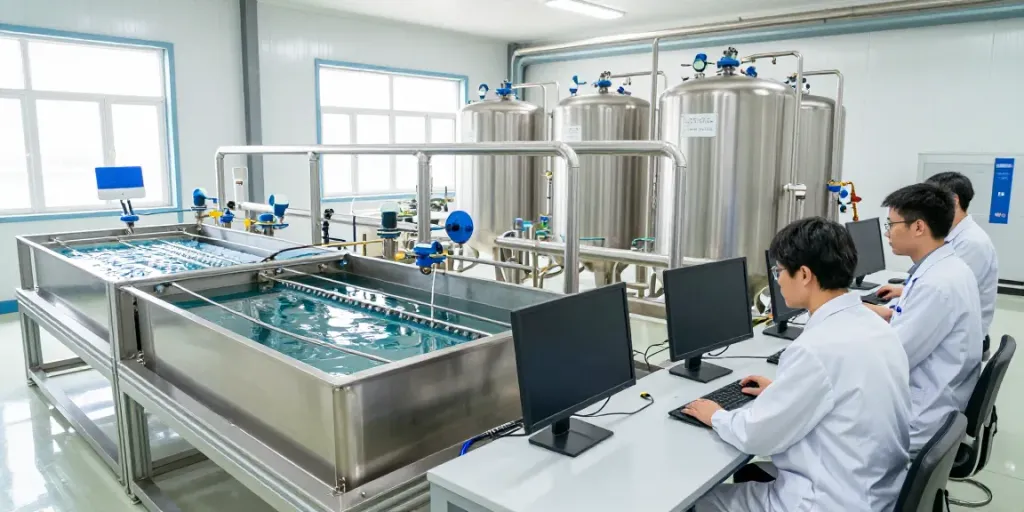
QILEE's Integrated Membrane Water Treatment Systems are designed to remove a wide range of contaminants, ensuring the delivery of high-quality water. These systems utilize advanced membrane technologies that offer robust performance while being cost-efficient. They are ideal for applications in both industrial and municipal settings, capable of handling varying degrees of water quality challenges.
Chemical Treatment Systems Overview
The Chemical Treatment Systems from QILEE employ a series of automated processes to accurately dose the necessary chemicals for effective water treatment. By utilizing advanced metering and control systems, these solutions ensure precise treatment while minimizing chemical waste and enhancing safety protocols. This efficiency helps facilities comply with stringent environmental regulations.
DAF Integrated Treatment Systems Explained
QILEE’s DAF Integrated Treatment Systems are specifically engineered for environments requiring high-performance solutions for clarifying wastewater. These systems incorporate chemical dosing with flotation techniques to separate contaminants effectively. The compact design allows for easy integration into existing facilities without extensive modifications.
Applications of Integrated Modular Systems
Industrial Wastewater Management
Integrated Modular Systems are increasingly employed in industrial wastewater management, where diverse contaminants must be treated efficiently. Industries such as food processing, pharmaceuticals, and manufacturing benefit from these systems to meet regulatory mandates while minimizing environmental impact.
Municipal Water Treatment Solutions
Municipalities face significant challenges in providing safe drinking water to residents. Integrated modular systems allow for the effective treatment of municipal water supplies, helping local governments manage their resources more effectively while ensuring compliance with health standards.
Innovations in Sludge Dewatering
One of the critical elements of wastewater treatment is managing the sludge generated during the process. Innovations in sludge dewatering technologies within integrated modular systems enable the efficient separation of water from solids, reducing disposal costs and facilitating sustainable practices.
Performance Metrics and Success Stories
Measuring Efficiency and Effectiveness
To evaluate the success of integrated modular systems, performance metrics such as operational costs, treatment efficiency, and compliance rates are essential. Companies like QILEE utilize data analytics to track these metrics, enabling continuous improvement and optimization of their systems.
Case Studies of Successful Implementations
Real-world applications provide context for the effectiveness of integrated modular systems. For instance, a recent project in a large industrial facility demonstrated a 30% reduction in water treatment costs while improving effluent quality by incorporating QILEE's DAF systems. These success stories underscore the potential of integrated approaches in diverse settings.
Customer Testimonials and Outcomes
Feedback from clients reveals a high level of satisfaction with the integrated modular systems offered by QILEE. Customers report improved operational flexibility, reduced environmental compliance issues, and significant cost savings. Such testimonials attest to the value these systems provide in addressing complex water treatment challenges.
Future Trends and Developments in 2026 and Beyond
Emerging Technologies in Water Treatment
The future of water treatment lies in the integration of emerging technologies such as artificial intelligence, real-time monitoring, and smart automation. These advancements are set to enhance the capabilities of modular systems, making them more responsive and efficient.
Predictions for Integrated Modular Systems
In the coming years, we can expect integrated modular systems to become even more prevalent across various industries. As regulations tighten and sustainability becomes a core value for organizations, the demand for adaptable, efficient water treatment solutions will only grow.
Preparing for the Next Generation of Solutions
Stakeholders in the water treatment sector need to prepare for a shift toward more integrated and digital solutions. Investing in training and technology will be critical for organizations looking to stay competitive and meet future challenges head-on.
What is the Impact of Integrated Modular Systems on Sustainability?
Integrated modular systems significantly contribute to sustainability efforts by reducing resource consumption, minimizing waste, and enhancing the overall efficiency of water treatment processes. As awareness of environmental issues increases, these systems will play a crucial role in achieving organizational sustainability goals.
How Do Integrated Modular Systems Address Common Water Challenges?
Common water challenges such as contamination, resource scarcity, and regulatory compliance are effectively addressed through the adaptable nature of integrated modular systems. By combining multiple treatment processes within one cohesive system, operators can respond more effectively to varying conditions and requirements.
What is the Role of Automation in Integrated Modular Systems?
Automation plays a vital role in optimizing the performance of integrated modular systems. By incorporating automated monitoring and control systems, facilities can achieve better operational efficiency, reduce human error, and ensure consistent water quality.
How Do I Choose the Right Integrated Modular System?
Selecting the appropriate integrated modular system involves assessing specific needs, existing infrastructure, and regulatory requirements. Engaging with expert suppliers like QILEE can provide valuable insights and guidance in choosing the right solution tailored to individual operational demands.