
Understanding Federal Proposal Automation
What is Federal Proposal Automation?
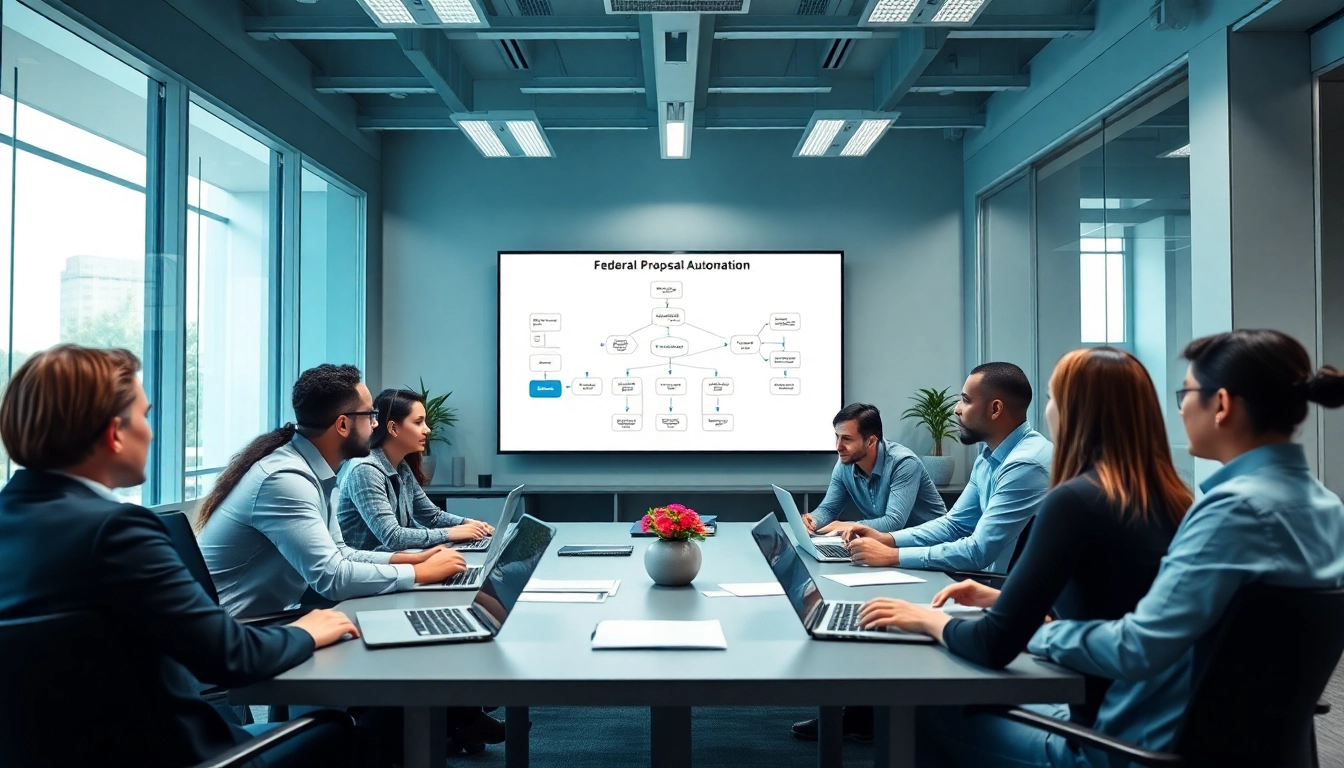
Federal proposal automation refers to the incorporation of advanced technologies and software solutions designed to streamline and enhance the entire process of creating, managing, and submitting proposals for federal contracts. By automating repetitive tasks, organizations can significantly reduce the time and effort required to respond to government solicitations. This includes automating the generation of proposal documents, ensuring compliance with federal guidelines, and facilitating seamless collaboration among team members. Ultimately, federal proposal automation aims to increase efficiency and improve the chances of winning contracts.
The Importance of Federal Proposal Automation
As the landscape of federal contracting evolves, the need for efficiency and competitiveness becomes paramount. Traditional proposal processes can be labor-intensive and fraught with errors, often leading to missed deadlines and lost opportunities. Through federal proposal automation, organizations enable faster turnaround times while maintaining high-quality outputs. This capability allows contractors to respond to more bids, thereby increasing their chances of winning contracts. Furthermore, automation helps teams to allocate resources more effectively, focusing on strategy and content quality rather than administrative tasks.
Key Technologies Empowering Automation
Several technologies underpin the efficiency of federal proposal automation. Key among them are:
- Machine Learning and AI: These technologies enhance document analysis, content generation, and compliance checking which can speed up proposal preparation dramatically.
- Natural Language Processing (NLP): NLP is used to analyze solicitations, extract pertinent requirements, and ensure that the generated proposals are contextually relevant and aligned with the submission guidelines.
- Collaborative Platforms: Tools that foster collaboration among team members allow for real-time document editing, feedback cycles, and centralized storage of proposal artifacts.
- Analytics and Reporting: Automation tools offer insights into proposal performance, enabling teams to assess strengths and weaknesses in their bids.
Challenges in Federal Proposal Automation
Common Hurdles When Automating Proposals
Despite its many advantages, the implementation of federal proposal automation can come with its own set of challenges. Some of the most common hurdles include:
- Resistance to Change: Employees may be accustomed to traditional methods, leading to reluctance in adopting new technologies.
- Data Quality and Integration: Automation relies heavily on quality data. Poor data quality can lead to inaccurate proposals and compliance issues.
- Initial Cost and Resource Allocation: Organizations often face significant costs in implementing automation tools, which can deter them from making the transition.
- Complex Compliance Requirements: Federal proposals often have stringent regulatory requirements that systems must be designed to navigate accurately.
Strategies to Overcome Automation Challenges
To successfully integrate federal proposal automation into their processes, organizations can implement various strategies:
- Change Management Initiatives: These programs can help to ease transitions by addressing employee concerns and providing necessary training and support.
- Data Governance Policies: Establish robust policies for data handling to ensure compliance and quality, thereby facilitating smoother automation.
- Cost-Benefit Analysis: Conduct a thorough analysis to justify the initial investment of automation technologies by highlighting long-term savings and efficiency gains.
- Collaborative Compliance Tools: Utilize tools that offer compliance checkers and templates to ensure all proposals meet federal requirements consistently.
Real-Life Case Studies
Examining successful implementations of federal proposal automation can provide valuable insights. For example, a mid-sized contractor faced challenges responding to multiple RFPs while maintaining resource efficiency. Upon implementing an automation platform, they streamlined their proposal development process, reducing their response time by over 50%. This led to an increase in their bid acceptance rate, demonstrating the efficacy of automation in a competitive environment.
Best Practices for Implementing Federal Proposal Automation
Planning Your Automation Strategy
Creating a comprehensive automation strategy is crucial for laying the groundwork for successful implementation. This should involve a thorough assessment of current processes, identifying areas suitable for automation, and setting clear objectives. Involve stakeholders early in the planning stage to gather input and ensure alignment with organizational goals.
Choosing the Right Tools and Software
With a plethora of automation tools available, selecting the right software is critical. Organizations should consider factors such as user-friendliness, integration capabilities with existing systems, and scalability options. Look for solutions that offer robust features like compliance tracking, collaborative functionality, and advanced analytics to support proposal development.
Establishing Compliance and Quality Control
Effective compliance and quality control mechanisms are vital to maintain the integrity of proposals. Implement processes to ensure that generated content adheres to federal guidelines, including a systematic review process before submission. Use compliance-checking tools integrated into the automation software to continually monitor requirements and guidelines.
Measuring Success with Federal Proposal Automation
Key Performance Indicators (KPIs)
Setting and measuring KPIs is essential in determining the success of federal proposal automation. Common KPIs include:
- Proposal Win Rate: The percentage of proposals that lead to contract awards is a direct reflection of effectiveness.
- Response Time: Metrics on how quickly proposals are developed and submitted can help gauge efficiency improvements.
- Cost Savings: Analyze budget reductions associated with labor and resource allocation as a result of automation.
- Quality Score: Use internal scoring systems or feedback surveys to assess the quality of proposals post-submission.
Continuous Improvement Through Feedback
Establishing feedback loops is crucial for ongoing improvement. Regularly solicit input from proposal teams about their experiences with automated systems. Assess performance data comprehensively to refine and enhance automation strategies continually, ensuring alignment with evolving industry standards and needs.
Adapting to Future Changes in Federal Contracting
The federal contracting landscape is dynamic, with changes often driven by policy, technology, and marketplace trends. Organizations should stay abreast of these changes, adapting their automation processes accordingly. Utilizing flexible solutions that allow for scalability and adjustments is essential for long-term relevance and responsiveness in federal proposal automation.
FAQs about Federal Proposal Automation
What are the benefits of federal proposal automation?
Federal proposal automation offers increased efficiency, reduced response times, improved compliance, and enhanced collaboration, enabling organizations to respond faster and more effectively to government solicitations.
How long does it take to implement proposal automation?
The time required for implementation can vary widely based on the organization’s size and existing processes, but typically ranges from several weeks to a few months for full integration and optimization.
Can small businesses benefit from proposal automation?
Yes, small businesses can significantly benefit from proposal automation, gaining access to tools that enhance their competitiveness without needing extensive resources or personnel investments.
What types of proposals can be automated?
Automation can be applied to a wide range of proposals, including those for RFPs, RFQs, and other government solicitations, enabling faster and more consistent submissions across different formats.
Is training required for using proposal automation tools?
While not always necessary, training is highly recommended to ensure users are fully equipped to maximize the capabilities of automation tools, enhancing overall effectiveness and efficiency.