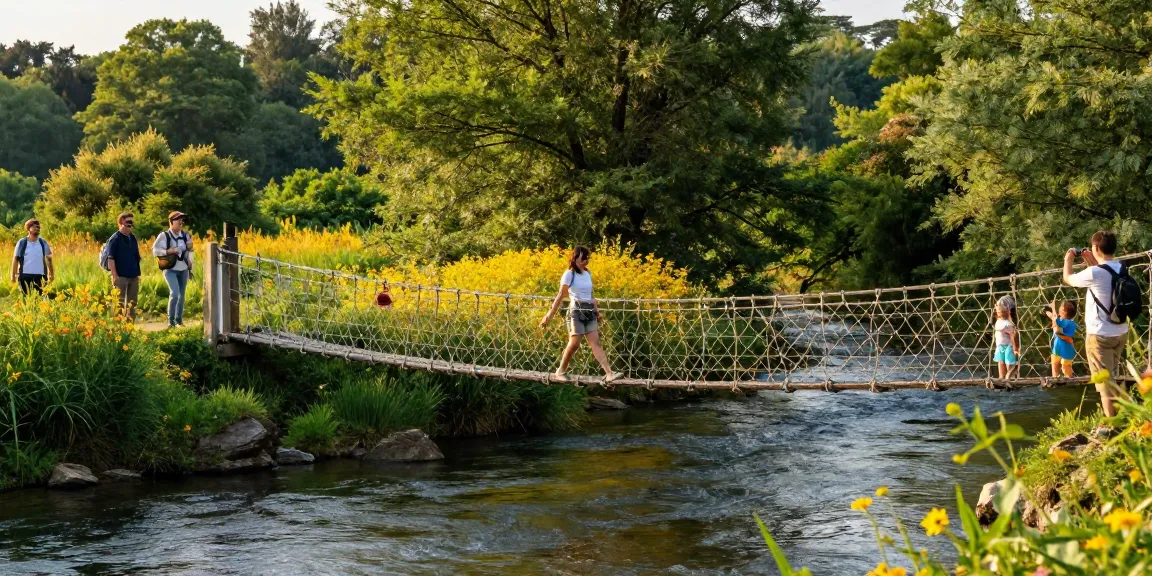
Understanding the Design and Engineering of River Rope Bridges
Rope bridges, often characterized by their unique combination of simplicity and functionality, have stood as a beacon of innovation in bridge construction. These structures, primarily designed to facilitate crossings over rivers and ravines, pose an exciting challenge for engineers and adventurers alike. As more outdoor enthusiasts seek to explore remote regions or engage in eco-tourism, the River Rope Bridge has emerged as a popular solution to connect inaccessible areas. When exploring options, River Rope Bridge projects offer comprehensive insights into design and installation that cater to both practical use and aesthetic appeal.
What is a River Rope Bridge?
A River Rope Bridge is essentially a suspension bridge that utilizes ropes as its primary structural support. These bridges are often made from natural materials such as hemp or synthetic alternatives like nylon, which provide the necessary strength and flexibility. The design of a rope bridge can vary significantly based on the intended use, location, and environmental factors, making them exceptionally versatile for various applications, from recreation to practical transportation.
Key Structural Components and Materials Used in Construction
- Cables and Ropes: The most critical elements, providing tension and support, made from robust, weather-resistant materials.
- Decking: The walking surface, usually constructed from wooden planks, composite materials, or mesh, designed to be non-slip and safe underfoot.
- Anchors: Essential for stability, they're embedded into the ground or secured to rock formations, preventing lateral movement.
- Support Structures: These may include towers or pylons that elevate the main cables above the river or terrain, contributing to overall height and span.
Common Design Variations and Their Applications
River Rope Bridges can take on several forms, each tailored for specific uses:
- Suspension Bridges: Ideal for long spans and significant height differences, this design promotes stability and safety.
- Hanging Bridges: Often utilized in eco-tourism and hiking trails, they provide a picturesque crossing experience while being lightweight.
- Fixed Rope Bridges: These are more permanent structures, suitable for regular use in areas where access is critical for locals or wildlife management.
Assessing Safety Risks of River Rope Bridges
While River Rope Bridges offer an appealing solution for crossing obstacles, they come with inherent risks that must be carefully managed to ensure user safety.
Identifying Potential Hazards for Crossers
Understanding the potential hazards of River Rope Bridges is paramount. Factors include:
- Structural Failure: Poorly maintained ropes or supports can lead to collapses.
- Environmental Conditions: Weather changes such as rain or wind can affect stability.
- Wildlife Interference: Animals may damage the bridge or pose a danger to users.
Best Practices for Safe River Rope Bridge Usage
To maximize safety on River Rope Bridges, users should adhere to best practices, including:
- Regular inspections of all structural components.
- Using safety harnesses and helmets when crossing.
- Establishing weight limits based on bridge design.
Emergency Preparedness and Response Protocols
Having emergency protocols in place is vital. This includes training for users on how to respond if the rope bridge fails, establishing communication methods, and having rescue equipment readily available.
Environmental Impact of River Rope Bridges
As interest in outdoor adventure and conservation grows, the environmental implications of River Rope Bridges have come under scrutiny.
Effects on Local Wildlife and Natural Habitats
Constructing a River Rope Bridge can impact local ecosystems. Careful planning and assessment are necessary to minimize harm.
Sustainable Practices in Bridge Construction
Implementing sustainable practices, such as using pre-treated wood or recycled materials, can reduce the environmental footprint of bridge projects. Additionally, designing bridges to be removable when they are no longer needed can further mitigate ecological impact.
Future Trends in Eco-Friendly Bridge Design
Innovations in eco-friendly materials and construction techniques are likely to shape the future of River Rope Bridges. Biodegradable ropes and renewable energy sources for lighting are potential advancements that may emerge.
Case Studies: Successful River Rope Bridge Projects
Highlighting successful River Rope Bridge projects offers insights into innovative designs and practical applications.
Highlighting Innovative Designs Around the World
From the renowned Carrick-a-Rede Rope Bridge in Northern Ireland to various ecological bridges in Costa Rica, these constructions exemplify the blend of functionality and aesthetics.
Lessons Learned from Construction and Maintenance
Each project provides valuable lessons in resilience, safety, and community engagement, essential for future developments.
Community Engagement and Benefits
Involving local communities in the planning and construction phases fosters a sense of ownership and responsibility towards the bridge, enhancing its longevity and appreciation.
Planning Your Adventure: Factors to Consider with River Rope Bridges
Adventurers must carefully plan their interactions with River Rope Bridges to ensure a safe and enjoyable experience.
Choosing the Right Location for Your Activity
Location selection is critical; consider factors such as accessibility, environmental impact, and the difficulty level of the crossing.
Essential Gear and Equipment for River Crossings
The right gear can make all the difference. Beyond safety gear, consider footwear that provides good traction and personal floatation devices if crossing currents.
Tips for Capturing Memorable Moments on Your Journey
Documenting your adventure is easy with today's technology. Make sure to bring waterproof cameras and consider the best times of day for natural lighting to enhance your photographs.
What are those rope bridges called?
Rope bridges are often referred to as suspension or hanging bridges, depending on their design and function.
How much does a river rope bridge cost?
The cost of constructing a River Rope Bridge can vary significantly, depending on materials, location, and design complexity, typically ranging from a few thousand to tens of thousands of dollars.
Where are the most famous river rope bridges located?
Many famous River Rope Bridges are located in scenic spots worldwide, including the Carrick-a-Rede Rope Bridge in Northern Ireland and several across the Peruvian Andes.
How to safely cross a river using a rope bridge?
To safely cross a River Rope Bridge, always ensure the bridge is secure and well-maintained, use a safety harness, and cross one person at a time to minimize stress on the structure.
What are the benefits of river rope bridges for hikers?
River Rope Bridges provide hikers with safe and accessible crossing points, enhancing their journey through nature while minimizing environmental disruption.