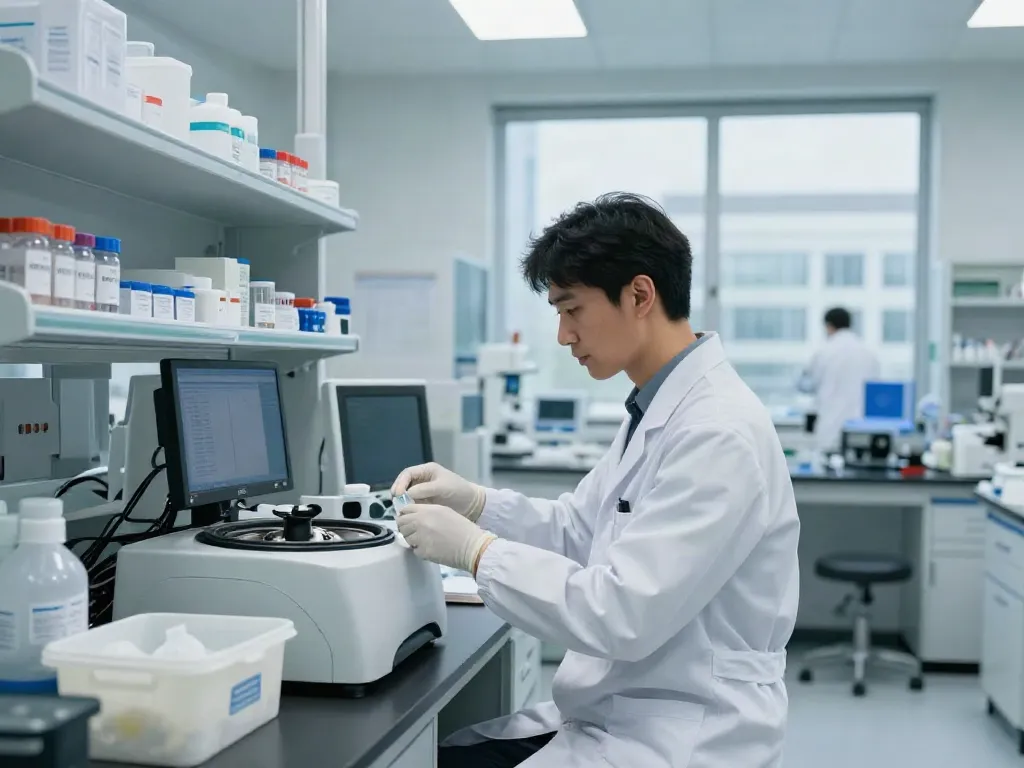
Understanding Cancer Biobanks
Cancer biobanks are specialized repositories that play a crucial role in cancer research and treatment advancement. They collect and store various biological samples, such as tissues, blood, and other bodily fluids from cancer patients, enabling researchers to better understand the complexities of cancer. As the cancer landscape evolves, the significance of these biobanks in facilitating breakthroughs in personalized medicine and targeted therapies cannot be overstated. When exploring options, Cancer biobank frameworks provide comprehensive insights into patient-specific data, which is pivotal in shaping future research directions.
What is a Cancer Biobank?
A cancer biobank serves as a systematic collection of biological samples that researchers utilize to study cancer. These biobanks aim to gather not only the specimens but also the associated clinical data that can shed light on various cancer types, treatment responses, and outcomes. They function as a bridge connecting patient-derived samples to innovative research and therapy development.
The Importance of Cancer Biobanks
The significance of cancer biobanks extends beyond simple sample collection. They provide essential resources that facilitate the following:
- Research Advancements: By supplying high-quality specimens, biobanks enable cutting-edge research, helping scientists identify biomarkers and develop new therapeutic avenues.
- Personalized Medicine: Biobanks support the movement towards individualized treatment plans tailored to patients' unique genetic and biological profiles.
- Longitudinal Studies: They allow for the tracking of disease progression and treatment responses over time, which is invaluable for longitudinal research efforts.
Types of Samples Collected in Biobanks
Cancer biobanks typically collect a variety of sample types, including:
- Tissue Samples: Tumor tissues obtained during surgeries or biopsies provide critical insights into the tumor's genetic makeup.
- Blood Samples: Blood samples are essential for the analysis of circulating tumor DNA (ctDNA) and other biomarkers.
- Other Bodily Fluids: Samples such as urine and saliva can also offer useful genetic and biochemical information related to cancer.
Challenges in Cancer Biobanking
Despite their importance, cancer biobanks face several challenges that can hinder their operations and effectiveness.
Common Obstacles in Sample Collection
One of the primary challenges in cancer biobanking is obtaining consent from patients to collect their samples. Many patients may be hesitant to participate due to fears about privacy and data misuse. Additionally, logistical issues such as transportation and storage of samples can lead to degradation, affecting the quality of the specimens.
Ethical Considerations in Biobank Research
Biobanks must navigate complex ethical landscapes, particularly regarding informed consent and the use of samples for research purposes. Maintaining transparency with participants about how their samples will be used is essential to uphold ethical standards and trust.
Data Privacy and Patient Consent Issues
Ensuring patient data privacy is paramount in biobank operations. Researchers must implement stringent data protection measures to secure sensitive information gathered during the biobanking process. Furthermore, clear protocols for obtaining and documenting patient consent should be established to mitigate any ethical dilemmas.
Best Practices for Biobank Operations
To maximize the efficacy and integrity of cancer biobanks, certain best practices should be followed.
Implementing Efficient Sample Tracking Systems
Implementing robust sample tracking systems helps ensure the integrity and traceability of samples collected. Utilizing barcode technologies and digital inventories can streamline sample management and reduce the likelihood of errors.
Ensuring Quality Control and Ethical Standards
Maintaining high-quality standards is essential. Regular audits and adherence to ethical guidelines can help ensure that biobank operations proceed ethically and efficiently.
Strategies for Enhancing Participant Engagement
Building relationships with potential participants can encourage higher enrollment rates. Providing educational resources about the importance of biobanking and the impact of their contributions can help alleviate concerns and foster trust.
Real-World Applications of Cancer Biobanks
The practical applications of cancer biobanks are vast and varied, influencing many areas of research and treatment.
Case Studies of Successful Biobank Research
Numerous studies have successfully utilized cancer biobanks to discover biomarkers associated with specific cancer types. For instance, research utilizing the UK Biobank has yielded significant insights into the genetic underpinnings of breast cancer, leading to improved diagnostic strategies.
Innovative Uses of Biobanked Samples
Biobanked samples have been used for innovative applications such as drug discovery and development, allowing researchers to study how different cancer cells react to new treatments in a controlled environment.
Impact on Personalized Medicine and Cancer Treatment
The data from cancer biobanks are instrumental in advancing personalized medicine, where treatments are tailored based on individual genetic profiles, improving efficacy and minimizing side effects.
The Future of Cancer Biobanks
As biobanking practices evolve, exciting developments are on the horizon.
Emerging Trends and Technologies in Biobanking
Technologies such as artificial intelligence and machine learning are beginning to play critical roles in biobanking, enabling better data analysis and prediction models for cancer progression and treatment responses.
Predictions for Cancer Research in 2026
By 2026, we may see significant advancements in the incorporation of real-time data monitoring from biobanked samples, leading to more dynamic and responsive treatment plans that adapt to patient needs as they evolve.
The Role of Biobanks in Global Health Initiatives
Cancer biobanks will increasingly contribute to global health initiatives, helping to ensure equitable access to cancer research benefits and better outcomes, particularly in underserved populations.
What types of samples can be found in a cancer biobank?
Cancer biobanks typically house a variety of sample types, including tissues, blood, and other bodily fluids, which are fundamental for conducting comprehensive cancer research.
How do cancer biobanks contribute to research?
By providing researchers access to well-characterized biological specimens and associated clinical data, cancer biobanks support the discovery of new biomarkers and therapeutic targets.
What are the ethical concerns surrounding cancer biobanks?
Ethical concerns primarily center around informed consent, data privacy, and the appropriate use of collected samples, necessitating robust governance and ethical standards.
How can I participate in a cancer biobank study?
Interested individuals can contact local cancer research centers or hospitals that operate biobanks to inquire about participation opportunities and understand the requirements involved.
What advancements can we expect in cancer biobanks by 2026?
Future advancements may include enhanced technologies for sample preservation, improved data integration systems, and expanded inclusivity in research participation, ensuring diverse populations are represented in cancer studies.