Understanding Facial Analysis Services
In the age of digital transformation, facial analysis services are becoming increasingly popular for individuals looking to enhance their appearance using data-driven insights. These applications leverage advanced algorithms and artificial intelligence to evaluate facial features, providing users with tailored recommendations for improving their aesthetic appeal. Whether for personal satisfaction, social engagements, or professional endeavors, understanding these services is crucial in making informed decisions about your beauty regimen. When exploring options, Alternatives to QOVES can provide comprehensive insights into various offerings in the market.
What Are Facial Analysis Services?
Facial analysis services utilize AI and machine learning technologies to assess various aspects of facial features, such as symmetry, proportions, and overall attractiveness based on well-established aesthetic principles. These tools often require users to upload a clear photo of their face, which the software analyzes to generate a score or a detailed report. The results can range from a simple numerical evaluation to a comprehensive action plan that includes suggestions for cosmetic procedures, skincare routines, and lifestyle changes. The growing demand for these services has led to the emergence of various platforms, each with unique features, costs, and methodologies.
How Does QOVES Compare with Alternatives?
QOVES is one of the more recognized names in the domain of facial analysis, offering a membership model priced at $150 per year. This service promises a professional review of each analysis by its team, delivering comprehensive protocols and visuals within 28 days. However, users may find several other effective alternatives that cater to different needs and budgets.
Key Features to Look for in Facial Analysis Apps
- Human Review: Check if the analysis is reviewed by trained professionals, which can enhance the credibility and accuracy of the recommendations.
- Detailed Reports vs. Basic Scores: Decide if you want a full plan with actionable insights or a simple attractiveness score.
- Pricing Structure: Understand the cost-effectiveness over a year rather than just the upfront fee.
- Continuous Support: Look for options that provide ongoing tracking and updates to your progress.
Five Noteworthy Alternatives to QOVES
1. ClinicEvo: Comprehensive Analysis
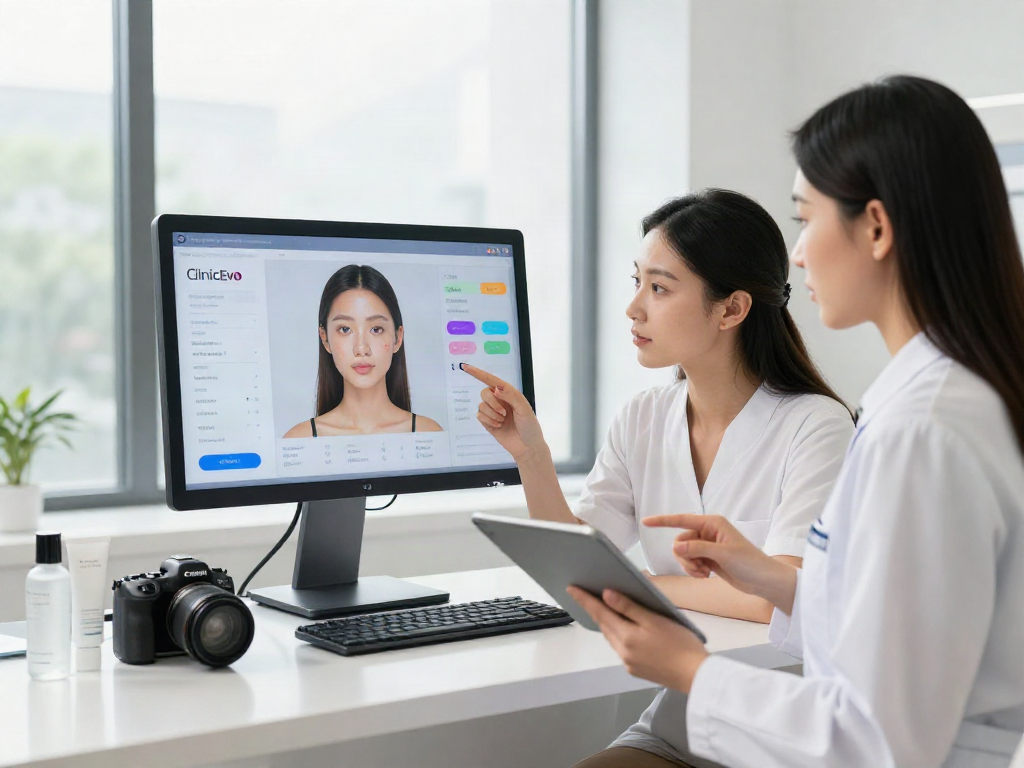
ClinicEvo combines the capabilities of AI with human expertise. Its service is available for $12 per month, significantly lower than QOVES, and provides personalized reports reviewed by trained aesthetic specialists within five business days. The results include tailored recommendations based on users’ unique facial structures and goals. This option appeals to users seeking both affordability and a more human touch in the analysis process.
2. Umax: Quick Selfie Ratings
Umax offers a fast and straightforward solution for those looking to get a quick rating of their selfies. The app uses AI to analyze the uploaded images and provide a score almost instantaneously. While it does not include a detailed plan or follow-up analysis, it serves as a great starting point for individuals curious about their attractiveness without the commitment of an extensive review.
3. LooksMax AI: AI-Based Beauty Insights
LooksMax AI is another alternative that leverages sophisticated algorithms to provide beauty insights based on uploaded images. This app focuses on giving users feedback on specific features like jawlines, cheekbones, and skin quality. The insights are presented in an easy-to-understand format, making it accessible for users looking for quick feedback without pursuing full memberships.
4. PrettyScale: Free and Accessible
PrettyScale stands out due to its free service, offering a beauty score based on an automated analysis of facial features. Although it does not provide in-depth recommendations, it allows users to understand their basic attractiveness quickly. Users can take advantage of this free option to gauge their facial features before considering paid services.
5. FaceRate.ai: An Introduction to Facial Evaluation
FaceRate.ai provides a unique appeal by offering a free trial for its facial scoring system. Like PrettyScale, it generates scores based on facial symmetry and proportions but is more algorithmically sophisticated with its evaluation metrics. This service can be an excellent entry point for someone looking to explore facial analysis without immediate financial commitment.
Evaluating Cost-Effectiveness
Membership Pricing Comparisons
Cost is often a significant factor when choosing a facial analysis service. QOVES presents itself at $150 annually, while ClinicEvo offers a monthly plan that totals around $144 per year if maintained. In contrast, Umax and LooksMax AI operate as instant gratification apps, appealing to users who may not want to invest heavily upfront. Additionally, users should be wary of weekly subscription models, as they can quickly add up (e.g., a $3.99 weekly plan results in approximately $207 annually).
Value vs. Price: What’s Worth Your Investment?
When evaluating the worth of these services, it’s essential to consider what you want from the analysis. If you seek a comprehensive plan with professional guidance, investing in options like ClinicEvo may be worthwhile. For those prioritizing speed and simplicity, opting for Umax or LooksMax may offer sufficient insight without the upfront costs of a full membership.
Free Alternatives and Trials: Are They Effective?
Free services like PrettyScale and FaceRate.ai may not provide extensive follow-up or personalized recommendations but can be effective for initial evaluations. They are especially suitable for users hesitant to commit financially and can help inform future decisions about more comprehensive analysis services. Testing these alternatives provides valuable insights into personal appearance without a financial risk.
Common Questions About Facial Analysis Services
Is There a Free Version of QOVES?
Currently, QOVES does not offer a free version. Its pricing structure is based on a yearly membership; however, alternatives such as PrettyScale and FaceRate.ai allow users to obtain evaluations without cost.
How Accurate are Facial Analysis Apps?
Facial analysis apps vary in accuracy based on the algorithms they employ. While some applications like ClinicEvo include human reviews to ensure precision, others rely solely on automated systems which may not always capture subtleties in facial aesthetics. Users should be aware that the results are best viewed as a guide rather than definitive assessments.
What Common Features Should Be Expected in Alternatives?
Many alternatives to QOVES offer features such as AI-driven scores, personalized recommendations, and user-friendly interfaces. A key expectation should be the transparency of the methodology behind the analysis and the credentials of those providing insights. Exploring services that clearly outline their processes can enhance user trust and satisfaction.
Future Trends in Facial Analysis Technology
Emerging Technologies and Their Impact
As technology evolves, the accuracy and capabilities of facial analysis services will improve. Enhanced machine learning algorithms and data analytics will likely lead to more personalized and actionable insights. Facial analysis may incorporate augmented reality technologies to simulate potential alterations, helping users visualize changes in real time.
Personalization in Beauty Apps as a Growing Trend
With increasing awareness around individualized beauty standards, personalization is becoming a key trend in facial analysis services. Users expect insights tailored not only to their unique features but also to current beauty trends and personal preferences. Future applications will likely include customizable settings that allow users to focus on specific areas they want to improve.
Predictions for the Future of Facial Analysis Services
Looking ahead, we can anticipate the convergence of beauty and technology, leading to increasingly sophisticated facial analysis services that seamlessly blend personal data with aesthetic recommendations. As consumer demand grows, the sector will likely witness more innovation in the form of apps that integrate with social media platforms, offering instant evaluations that can enhance personal branding in our digitally oriented society.