Understanding Scissor Lift
Definition and Mechanism of Scissor Lift
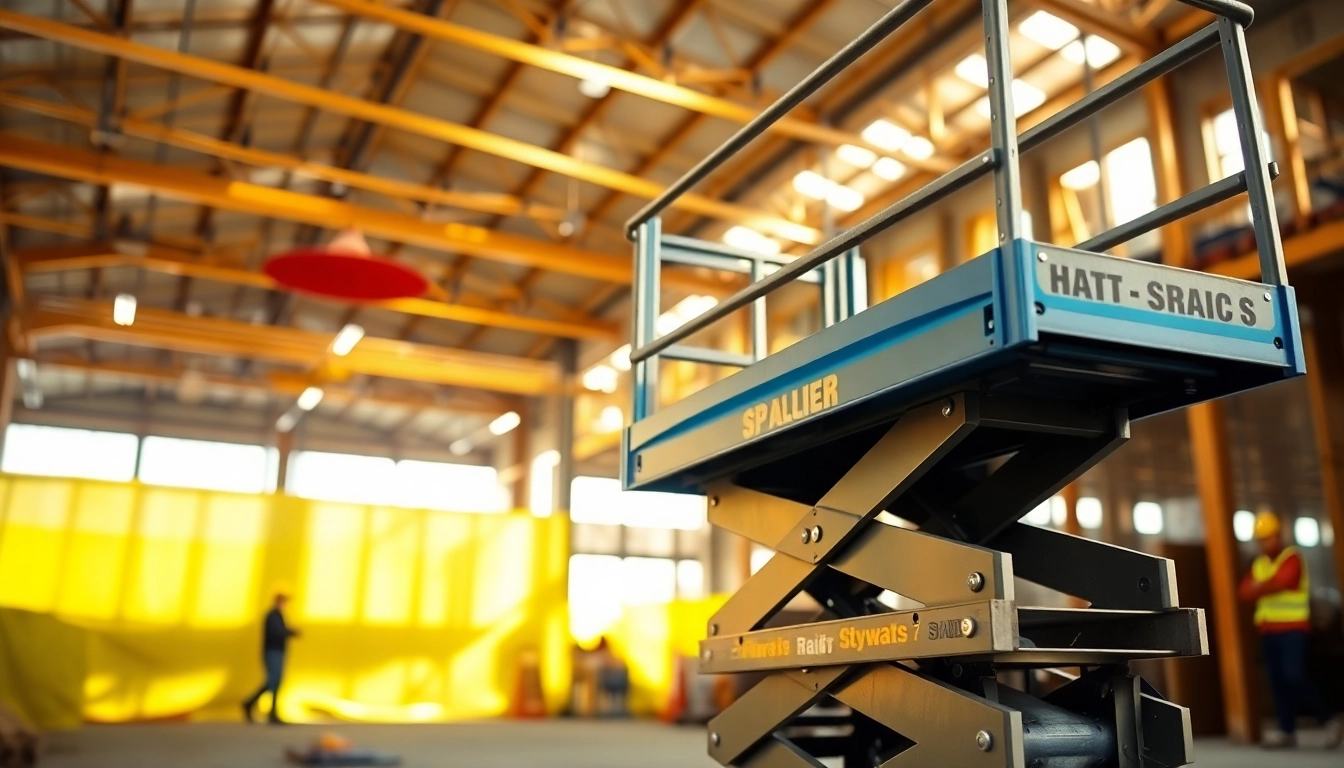
A scissor lift is a mechanical device designed to lift personnel and materials to elevated heights. It operates using a complex arrangement of crisscrossed beams that resemble the movement of scissors. When an operator engages the lift mechanism—typically through electric power—these beams expand, raising a platform vertically. This design offers strength and stability, making it ideal for various applications in construction, maintenance, and warehousing environments.
Types of Scissor Lift
Scissor lifts come in various types, each tailored for specific functions and environments:
- Electric Scissor Lifts: Perfect for indoor applications where emissions and noise are concerns. They are often lightweight and compact, providing versatility in tight spaces.
- Rough Terrain Scissor Lifts: Equipped with larger tires and enhanced stability features, these are designed for outdoor construction sites and rugged terrains.
- Hybrid Scissor Lifts: These offer dual power options, allowing operators to use both electric and fuel sources, making them suitable for various environments.
- Low-Profile Scissor Lifts: Specifically designed for work in tight areas, they provide a smaller platform height while ensuring safety and efficiency.
Common Uses and Applications
Scissor lifts are widely used across multiple industries. Some of the most common applications include:
- Construction: Ideal for accessing high areas during the building phase, including roofing and facade work.
- Maintenance: Commonly used for electrical, HVAC, and general maintenance tasks in high places.
- Warehousing: Essential for stock management and retrieving items stored high in warehouses.
- Film and Photography: Offers elevated platforms for capturing overhead shots during productions.
Advantages of Using Scissor Lift
Safety Features of Scissor Lift
Safety is paramount when operating elevated equipment. Scissor lifts incorporate numerous safety features:
- Guardian Sensors: These ensure the platform’s stability and alert operators to potential hazards.
- Emergency Descent Systems: Allow for safe descent in case of power failure.
- Guardrails and Non-Slip Surfaces: Ensure operators maintain stability while working at heights.
Cost-Effectiveness in Projects
Utilizing a scissor lift can significantly reduce costs in various projects. By allowing workers to reach elevated areas without scaffolding, they decrease labor time and material wastage. Additionally, the rental market for these machines provides businesses with flexible financing options and prevents heavy upfront capital costs associated with purchasing equipment.
Environmentally Friendly Options
With the rising focus on sustainability, many manufacturers have developed electric scissor lifts that are emissions-free and energy-efficient. Using electric models not only contributes to a cleaner environment but also reduces noise pollution, making them ideal for urban settings and indoor projects.
Choosing the Right Scissor Lift for Your Needs
Factors to Consider When Renting Scissor Lift
When choosing a scissor lift, several factors should be taken into consideration:
- Project Type: Identify the specific needs of your project. Will you be working indoors or outdoors? What is the maximum height required?
- Weight Capacity: Ensure the lift can handle the combined weight of personnel and materials.
- Terrain Conditions: Assess whether you need a standard or rough terrain model based on the job site condition.
Understanding Lift Height Requirements
Determining the required lift height is crucial. Scissor lifts typically range from 10 to 70 feet in maximum lift height. Evaluate your project scope to choose a model that safely meets your height requirements without exceeding them.
Understanding Weight Capacity
Weight capacity ratings on scissor lifts can vary significantly. It's essential to consider both the number of personnel and the materials needing to be lifted. Most ranges go from 500 lbs up to 1,500 lbs, depending on the model. Choose one that not only meets but exceeds your total weight estimates to ensure safety.
Best Practices for Operating Scissor Lift
Pre-Operation Checklist for Scissor Lift
Before operating a scissor lift, it's critical to complete a thorough pre-operation checklist:
- Inspect the lift for any physical damage or wear.
- Check fluid levels, oil, and power supply.
- Ensure controls are working properly.
- Verify that safety features are operational.
Training and Certification for Operators
Only trained and certified operators should handle scissor lifts to ensure compliance with safety regulations. Proper training provides operators with the knowledge of the equipment's controls, safety features, and emergency protocols, significantly reducing the risk of accidents on job sites.
Safe Operation Guidelines and Practices
To operate a scissor lift safely, follow these guidelines:
- Never exceed the weight limit.
- Always wear appropriate personal protective equipment (PPE).
- Keep your hands and feet inside the lift at all times.
- Stabilize the lift before performing any tasks.
Frequently Asked Questions About Scissor Lift
What is a scissor lift used for?
A scissor lift is primarily used for raising individuals and materials to elevated heights safely, making it ideal for construction, maintenance, and warehousing tasks.
How much weight can a scissor lift lift?
Scissor lifts typically have weight capacities ranging from 500 lbs to 1,500 lbs, depending on the specific model and design.
What are the benefits of using a scissor lift?
The key benefits include enhanced safety at height, cost-effectiveness, ease of mobility, and environmental sustainability, especially with electric models.
Are scissor lifts safe for indoor use?
Yes, electric scissor lifts are designed for indoor use and are equipped with safety features to ensure stability and minimize hazards.
How do I choose the right size scissor lift?
Assess your project needs regarding height, weight capacity, and terrain. Ensure you select a model that accommodates both your operational requirements and safety standards.