Understanding the Urban Creative Landscape
Urban creativity has emerged as a dominant force in contemporary culture, acting as a catalyst for innovation, social change, and economic development. In cities around the globe, creative professionals are redefining the landscape through their unique contributions to art, design, technology, and beyond. As cities continue to evolve and expand, understanding the nuances of urban creative environments becomes crucial. With the advent of digital platforms and networking opportunities, urban creatives can leverage their skills in unprecedented ways. When exploring options, https://www.www456bd.com/ provides comprehensive insights into navigating this dynamic field.
Defining Urban Creativity and Its Impact
Urban creativity encompasses a broad spectrum of activities that inspire artistic expression, innovation, and collaboration. This includes everything from street art and music festivals to tech startups and architectural design. The impact of urban creativity can be seen in revitalized neighborhoods, increased tourism, and enhanced community engagement. For instance, cities like Berlin and Tokyo have transformed their cultural identities by embracing avant-garde art movements and fostering creative hubs.
Key Challenges for Professionals in Creative Industries
Despite the opportunities, urban creatives face significant challenges. High living costs, competition, and the pressure to consistently produce innovative work can lead to burnout and creative block. Additionally, navigating the bureaucracy of urban planning and zoning laws can hinder creative projects. Addressing these challenges requires resilience, networking, and mastering the art of self-promotion.
Exploring Opportunities in Urban Settings
Urban environments are ripe with opportunities for creatives who are willing to explore and innovate. Co-working spaces, community workshops, and cultural events provide invaluable resources for collaboration and support. Moreover, cities are increasingly investing in public art initiatives and grants for creative projects, which can serve as crucial funding sources.
Essential Tools for Urban Creatives
To thrive in the vibrant landscape of urban creativity, professionals must embrace a variety of tools and platforms that enhance their work and connectivity. The right combination of technology and resources can empower creatives to maximize their potential and streamline their processes.
Digital Platforms and Software for Design
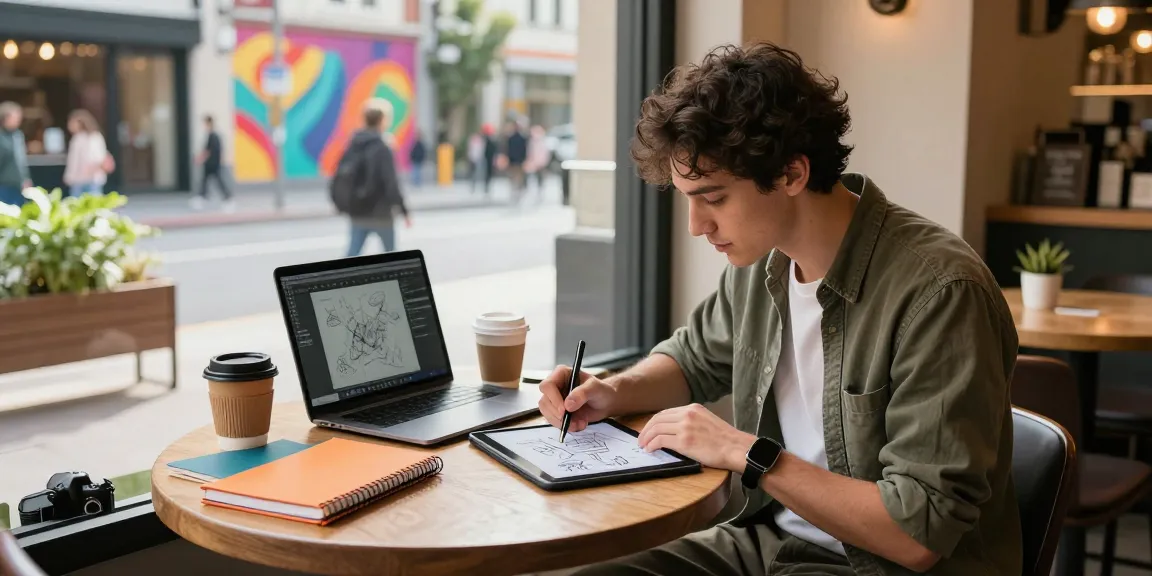
Digital design tools such as Adobe Creative Suite, Sketch, and Figma are essential for urban creatives looking to produce high-quality visual work. These platforms facilitate collaboration and feedback, enabling teams to work seamlessly across different locations. Additionally, project management tools like Asana and Trello help keep projects organized and on schedule.
Networking Tools for Making Connections
Networking is crucial in the urban creative landscape, where collaborations can lead to groundbreaking projects. Platforms like LinkedIn, Meetup, and local creative networks provide avenues for professionals to connect, share ideas, and find potential collaborators. Attending workshops, lectures, and art shows also offers invaluable face-to-face networking opportunities.
Workspace Essentials for Productivity
A well-designed workspace can significantly enhance productivity for urban creatives. Key essentials include ergonomic furniture, adequate lighting, and soundproofing. Whether working from home, in a co-working space, or a studio, creating an inspiring environment that promotes focus and creativity is vital to success.
Best Practices for Creativity in Urban Environments
Success in urban creativity often hinges on the ability to maintain high levels of productivity and inspiration. By adopting best practices, professionals can nurture their creative instincts while managing their time effectively.
Creating an Inspiring Workspace
To foster creativity, it's important to curate a workspace that resonates with personal style and promotes comfort. Incorporating elements like art, plants, and inspirational quotes can make a significant difference. Moreover, ensuring that your workspace is free from distractions will allow for deeper concentration and more profound creative exploration.
Time Management Tips for Busy Professionals
Time management is crucial for urban creatives, especially those juggling multiple projects. Techniques such as the Pomodoro Technique, which involves focused work sessions followed by short breaks, can enhance focus and productivity. Additionally, setting clear goals and deadlines helps keep projects on track and reduces the overwhelm of managing various responsibilities.
Strategies for Overcoming Creative Block
Creative block is a common challenge that urban creatives may face. To overcome this, professionals can explore new environments, seek feedback from peers, or engage in creative exercises like brainstorming or mind mapping. Sometimes, taking a break and stepping away from the work can also lead to renewed inspiration and clarity.
Real-World Success Stories
Learning from successful urban creatives can provide valuable insights and inspiration. Case studies of individuals and groups thriving in dynamic city environments highlight the diverse paths to success.
Case Studies of Successful Urban Creatives
Consider the story of a collective of street artists in São Paulo who transformed neglected buildings into vibrant murals, significantly contributing to the city's cultural identity while drawing attention to social issues. Such projects exemplify how urban creatives can leverage their talents to enact change and foster community pride.
Lessons Learned from Major Projects
Analyzing major creative projects reveals common themes such as collaboration, community engagement, and the importance of a strong vision. By examining what worked and what didn’t, emerging creatives can better navigate their own journeys and avoid potential pitfalls.
How Community Engagement Fuels Creativity
Community engagement is essential to the success of creative initiatives. By involving local residents in the planning and execution of projects, urban creatives can ensure that their work resonates with the community and fosters a sense of ownership. Initiatives like community art programs and pop-up events serve as platforms for collaboration and expression.
Future Trends in Urban Creativity
The landscape of urban creativity is constantly evolving, driven by technological advancements and cultural shifts. Staying informed about emerging trends is crucial for professionals aiming to remain relevant and impactful.
Emerging Technologies Shaping Creative Industries
Technologies such as artificial intelligence, virtual reality, and augmented reality are beginning to revolutionize the creative landscape. These tools offer exciting new ways for artists and designers to express themselves and engage with audiences, allowing for innovative experiences that blend the digital and physical realms.
The Rise of Remote Collaboration Tools
As remote work becomes more common, collaboration tools like Slack, Zoom, and Miro are facilitating connections among urban creatives regardless of location. This trend allows for greater diversity in project teams, bringing together talents from different cities and cultures to collaborate effectively.
Predictions for 2026 and Beyond
Looking forward, the role of creativity in urban development is likely to expand. Increased emphasis on sustainability and social equity will shape the types of projects that gain traction. Additionally, as cities become more interconnected, opportunities for international collaboration will continue to grow, fostering a new wave of urban creativity.
What are the latest trends in urban creativity?
Current trends include a focus on sustainability, inclusivity, and the integration of technology in creative practice. Urban creatives are increasingly addressing social challenges through their work, emphasizing the importance of community engagement and environmental consciousness.
How can I improve my productivity as a creative professional?
Improving productivity involves adopting effective time management techniques, establishing a structured routine, and creating an inspiring workspace. Experimenting with different methods and finding what works best for your creative process is essential for long-term success.
What are effective networking strategies in urban areas?
Effective networking strategies include attending local events, joining creative organizations, and utilizing online platforms to connect with peers. Building meaningful relationships often requires consistency and a willingness to share ideas and experiences with others in the community.
What tools are essential for urban creatives?
Key tools for urban creatives include digital design software, project management applications, and networking platforms that facilitate collaboration and communication. For more information, casino 456bd offers valuable insights. Staying updated with the latest tools can help creatives streamline their processes and improve their work outcomes.