Introduction to Excavators
Excavators are indispensable machines in construction and engineering, designed to perform a variety of tasks ranging from digging to demolition. These robust vehicles have transformed how projects are executed across the globe. Understanding the fundamental aspects of an excavator can significantly enhance project efficiency and safety.
What is an Excavator?
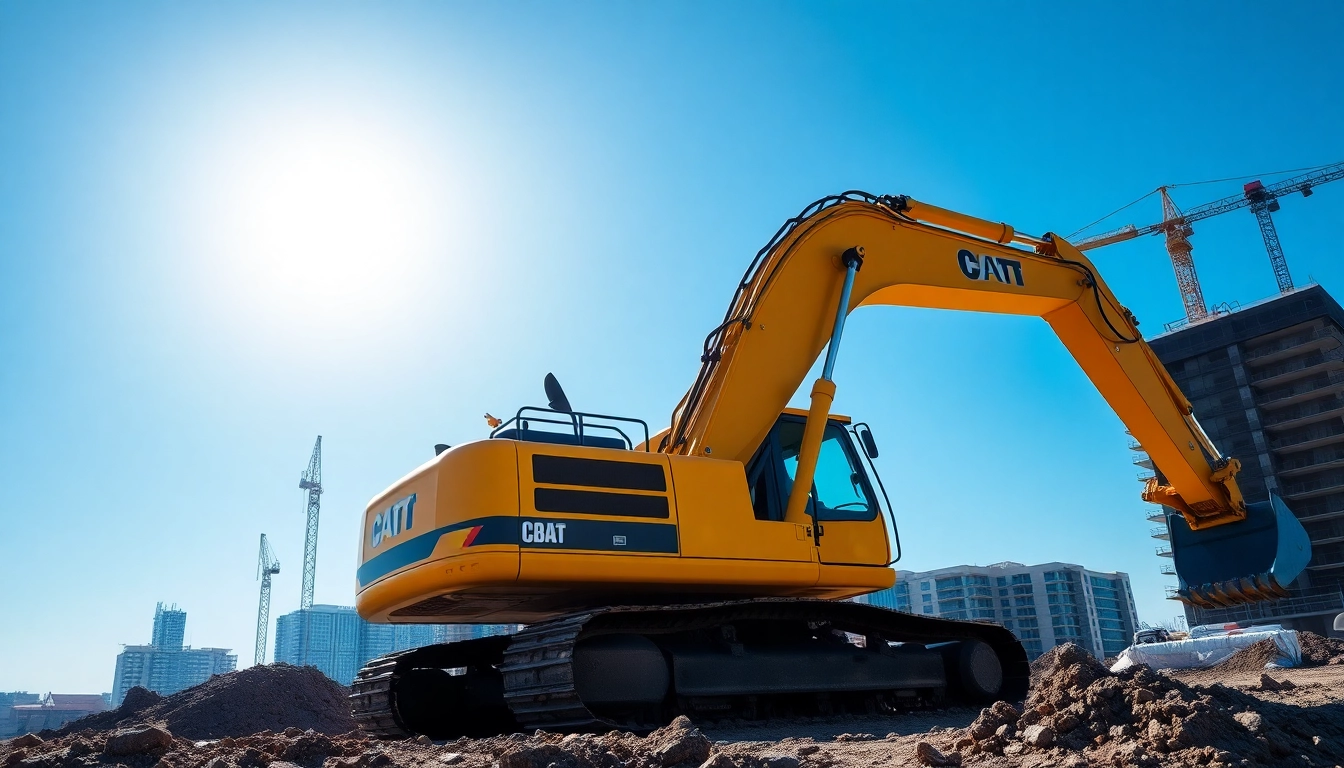
An excavator, also known as a digger, is a heavy construction equipment equipped with a rotating platform, a boom, a dipper (or arm), and a bucket. Typically tracked, excavators offer superior stability and maneuverability on various terrains. Their versatility allows them to perform numerous roles, making them crucial on job sites where earth moving is required.
Components of Excavators
Understanding the components of an excavator is vital for both operation and maintenance. The main components include:
- Cab: The operator’s area where controls are located.
- Boom: The large arm extending from the back of the excavator that houses the dipper.
- Dipper (Arm): Attached to the boom, it extends and retracts to deliver digging action.
- Bucket: The front attachment used for digging, scooping, and moving material.
- Tracks: Provide stability and traction to navigate rough terrains.
Types of Excavators
Excavators come in various types, each designed for specific applications:
- Standard Excavators: Versatile machines suitable for various tasks.
- Mini Excavators: Compact and ideal for small or confined spaces.
- Long Reach Excavators: Equipped with an extended arm for deep excavation.
- Suction Excavators: Use high-velocity suction for digging without damaging underground utilities.
- Crawler Excavators: Feature tracks for excellent stability on tough terrains.
Understanding Excavator Functions
Key Functions of Excavators
The primary function of excavators extends beyond simple digging. Key functions include:
- Digging: Ideal for trenching and site excavation.
- Grading: Essential for leveling and smoothing surfaces.
- Lifting: Capable of lifting heavy materials and equipment.
- Demolition: Used in breaking down structures, thanks to customizable attachments.
Excavators in Earthmoving
Earthmoving is one of the most prevalent applications of excavators. These machines can move large volumes of soil, rock, and other materials quickly and efficiently, crucial for the completion of foundations, roadbeds, and landscaping. The adaptability in digging and loading capabilities enables operators to manage projects better and ensure proper grading.
Excavator Operations in Demolition
In demolition, excavators can be equipped with specialized attachments such as hydraulic jaws or wrecking balls. These allow for safe and efficient tearing down of structures while ensuring debris control. Operators must be trained to assess the site and determine the safest practices to handle such tasks effectively.
Safety Measures and Best Practices
Safety Gear for Excavator Operators
The safety of excavator operators is paramount. Essential safety gear includes:
- Hard Hats: Protect against falling objects.
- High-Visibility Vests: Ensure visibility on construction sites.
- Steel-Toed Boots: Provide foot protection in case of heavy equipment accidents.
- Protective Eyewear: Safeguard against debris and dust.
Common Safety Protocols
In addition to personal protective equipment (PPE), operators must adhere to safety protocols such as pre-operational checks, ensuring the worksite is free of obstacles, maintaining proper communication signals with workers, and being vigilant about overhead power lines.
Emergency Procedures
Emergency preparedness is vital when operating excavators. Operators should be familiar with emergency stop protocols, evacuation routes, and first aid measures. Regular drills and equipment checks can ensure readiness in the event of an incident.
Excavator Maintenance Tips
Daily Checks and Inspections
Daily inspections are crucial to maintaining excavator efficiency and safety. Operators should check fluid levels, inspect for leaks, and examine all hoses and belts for wear. A thorough walk-around inspection helps identify potential issues before they lead to costly repairs.
Long-term Maintenance Practices
Long-term maintenance practices include regular servicing as outlined in the manufacturer’s guidelines. This often involves oil changes, filter replacements, and track adjustments. Keeping a maintenance log helps track service history and anticipate future needs.
Signs of Wear and Tear
Operators should be aware of signs indicating wear and tear, including unusual noises, decreased performance, or visible leaks. Addressing issues promptly can significantly extend the life of the excavator and maintain its functionality.
FAQs about Excavator Utilization
How do I choose the right excavator for my project?
Consider factors such as the project size, type of material to move, and site conditions. Mini excavators are ideal for smaller projects, while larger models are suited for extensive earthmoving tasks.
What are the operational costs associated with an excavator?
Operational costs include fuel consumption, regular maintenance, insurance, and operator salaries. Ensure to factor these into your project budget for better financial planning.
How often should an excavator be serviced?
Excavators typically require servicing every 250 hours of operation. Following the manufacturer's guidelines ensures optimal performance and longevity.
What safety measures are required for operating an excavator?
Safety measures include wearing appropriate PPE, performing daily inspections, adhering to site protocols, and ensuring clear communication among the crew.
Can an excavator be used for other purposes besides digging?
Yes, excavators are versatile machines capable of lifting, grading, demolishing, and even trenching, making them suitable for various construction and landscaping tasks.