Understanding Mantra88 and Its Evolution
Mantra88 is a contemporary practice rooted in the ancient tradition of mantra meditation, adapted to our modern lives. As mindfulness becomes an essential aspect of well-being, the role of mantras has evolved, becoming more accessible and relevant for individuals seeking mental clarity and emotional resilience in today's fast-paced world. When exploring options, mantra88 provides comprehensive insights into this transformative practice.
What is Mantra88?
At its core, Mantra88 involves the repetitive chanting or silent recitation of a specific sound or phrase (mantra) that serves to focus the mind and cultivate a state of deep meditation. The number 88 symbolizes abundance and prosperity in various cultures, making this practice particularly attractive to those wishing to enhance their material and spiritual wealth. Unlike traditional mantras that may be rooted in specific religions, Mantra88 is designed to be inclusive, inviting practitioners from all backgrounds to explore its benefits.
The Historical Context of Mantras
The concept of using sound and vibration for spiritual and therapeutic purposes can be traced back thousands of years. Ancient cultures, including the Vedic traditions of India, utilized mantras in rituals to invoke divine energies and foster a connection with the universe. Over time, these practices have transcended their origins, morphing into various forms that appeal to modern sensibilities. Today, mantra meditation is embraced by many as a tool for personal development, stress reduction, and spiritual awareness.
Key Changes in Mantra Practices Since 2020
Since 2020, there has been a noticeable shift in how mantras are perceived and practiced. The COVID-19 pandemic has prompted many to seek solace in meditation, leading to a surge in interest in practices like Mantra88. This contemporary form has gained traction through social media, online courses, and apps, making it more accessible. Moreover, the incorporation of technology in meditation practices—such as sound healing and guided mantra sessions—has created a novel landscape for practitioners.
The Benefits of Practicing Mantra88
Enhancing Mental Clarity and Focus
One of the primary benefits of practicing Mantra88 is its ability to enhance mental clarity and focus. The rhythmic repetition of mantras engages the mind, helping to reduce distractions and cultivate a state of flow. This can lead to improved concentration and productivity, making it a valuable tool for both students and professionals alike. By dedicating time to mantra practice, individuals can train their minds to become more present and engaged with their tasks.
Reducing Stress through Sound Vibration
Mantras are not just words; they are vibrations that resonate with both the body and the mind. Research has shown that sound vibrations can lower cortisol levels, which is our body's primary stress hormone. Engaging in Mantra88 allows practitioners to tap into this therapeutic aspect, providing a natural way to cope with stress and anxiety. The soothing sounds can calm the nervous system, promoting relaxation and well-being.
Physical Health Benefits of Mantra Meditation
Beyond mental wellness, there are numerous physical health benefits associated with mantra meditation, including improved breathing patterns and enhanced cardiovascular health. The act of chanting or repeating mantras fosters deep breathing and encourages mindfulness of the body, leading to better oxygen flow and reduced tension. Regular practitioners often report improved sleep quality and heightened energy levels, contributing to overall vitality.
Common Misconceptions About Mantra Meditation
Myths vs. Facts: Understanding Mantra88
Despite its growing popularity, several misconceptions about mantra meditation persist. One prevalent myth is that mantra practice is solely a religious activity. In reality, Mantra88 is designed to be inclusive, allowing individuals from diverse backgrounds to participate without the constraints of religious affiliation. Understanding these myths allows new practitioners to engage with the practice more freely.
Why People Avoid Mantra Practices
Many individuals may shy away from mantra practices due to preconceived notions of complexity or ineffectiveness. Some fear that they lack the proper spiritual background or voice to participate. However, the simplicity of Mantra88 encourages everyone to explore its benefits, regardless of prior experience. Addressing these fears is crucial in promoting a more extensive embrace of mantra practices.
Addressing Common Challenges in Meditation
Practitioners may encounter challenges such as restlessness, difficulty focusing, or self-doubt while meditating with mantras. Acknowledging these obstacles is essential for growth. Techniques such as setting a clear intention, starting with shorter sessions, and maintaining a non-judgmental attitude can help practitioners overcome these hurdles, leading to a more fulfilling meditation experience.
Best Practices for Integrating Mantra88 into Daily Life
Creating a Sacred Space for Meditation
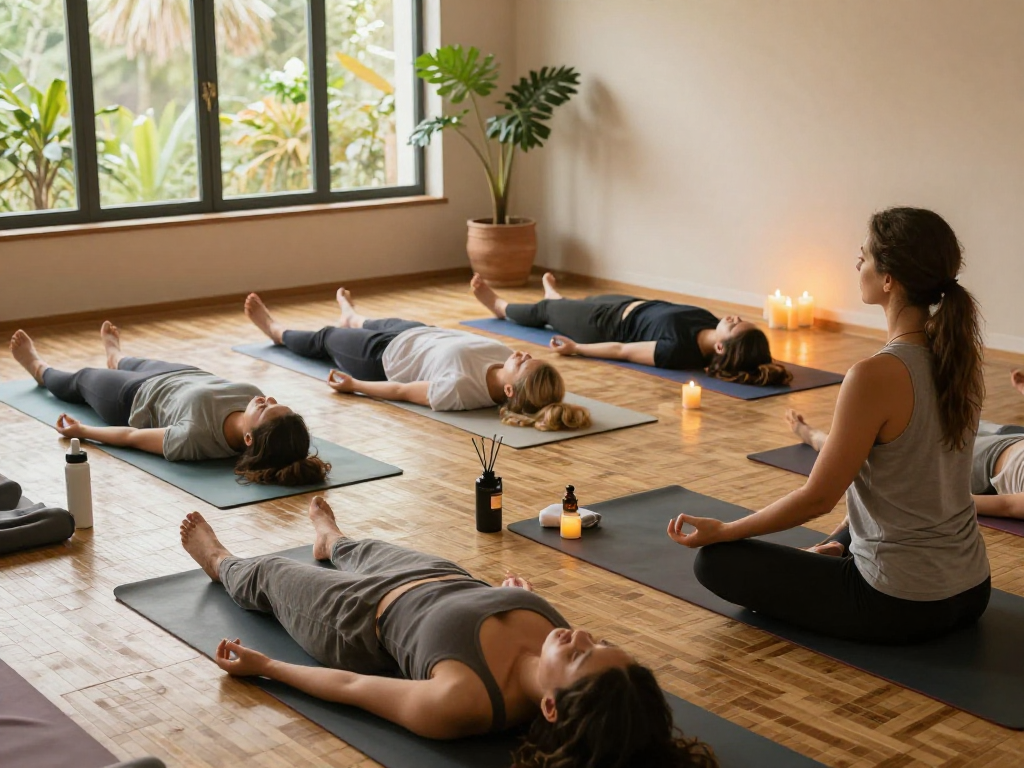
Designating a specific area for your mantra practice can enhance the overall experience. A sacred space—free from distractions and equipped with calming elements such as candles, incense, or soft cushions—invites a meditative mindset. This intentionality in space can significantly impact the quality of meditation and encourage a consistent practice.
Developing a Consistent Practice Routine
Consistency is key when it comes to integrating Mantra88 into daily life. Establishing a regular schedule—whether it's morning or evening—can help solidify the practice into your daily routine. Setting reminders and gradually increasing the duration of practice can foster commitment and lead to deeper insights over time.
Combining Mantra88 with Other Mindfulness Techniques
For those looking to deepen their practice, combining Mantra88 with other mindfulness techniques such as breathwork, yoga, or journaling can amplify the benefits. These complementary practices can enhance self-awareness, rooting practitioners further into the present moment while encouraging a holistic approach to mental well-being.
The Future of Mantra88: Trends and Predictions for 2026
Emerging Practices in Modern Meditation
As we look to the future, emerging practices in meditation will likely continue to incorporate modern technology and community elements. Innovative apps that guide users through mantra practices and provide personalized feedback could become mainstream, appealing to a younger audience seeking mental health support through accessible means.
Technology's Role in Mantra Meditation
Technology's influence on mantra meditation will evolve, possibly integrating virtual reality (VR) experiences that simulate sacred spaces or auditory environments for mantra practice. Such advancements could make the experience richer and more engaging for users, bridging distance and accessibility gaps in meditation practices.
Community Building Around Mantra Practices
The future may also see the strengthening of community bonds among practitioners of Mantra88, with online forums and local groups fostering connections and sharing experiences. This sense of community can encourage accountability and create supportive environments for individuals as they explore their mantra journeys.
How Can Beginners Start Practicing Mantra88?
For individuals new to Mantra88, starting with simple mantras or even affirmations can be a gentle introduction. Practicing in a quiet environment, focusing on the sound and meaning of the mantra while allowing thoughts to come and go, will facilitate a more natural entry into mantra meditation.
What Are the Long-term Effects of Mantra Meditation?
Long-term practitioners of mantra meditation often report enhanced emotional resilience, greater mental clarity, and a deeper sense of purpose in life. The cumulative effect of regular practice can lead to profound changes in perspective, allowing individuals to handle life's challenges with more grace and composure.
Are There Specific Mantras Recommended for Beginners?
Beginners might find it beneficial to start with universally acknowledged mantras, such as "Om" or "So Hum," which serve as foundational sounds in various traditions. These simple, yet effective mantras can ease new practitioners into the rhythm of repetition and mindfulness.
What Changes Should Practitioners Expect in 2026?
By 2026, practitioners can expect a more integrated approach to Mantra88, where technology and community become increasingly intertwined in meditation practices. Advancements may also lead to more personalized experiences, ensuring that practitioners receive tailored support in their mantra journeys.
How Do Different Cultures Interpret Mantra Practices?
Various cultures interpret mantra practices through unique lenses. In Hinduism, mantras are viewed as sacred sounds that hold transcendent power. In Buddhism, they function as tools for achieving enlightenment. Recognizing these diverse interpretations can enrich practitioners’ approaches, fostering greater respect and understanding of the practice.
What Role Does Intention Play in Mantra Meditation?
Intention acts as the guiding force behind mantra meditation. Establishing a clear intention before practice can focus the mind and enhance the meditation experience, allowing practitioners to align their goals with their practices. This clarity can amplify the benefits and create a deeper connection to the practice itself.